





2026 Equinox EV Range Portland OR
Check 2026 Equinox EV Inventory Near Portland
Talk With An EV Charging Expert About Home Setupt
See How the Equinox EV Range Fits Your Daily Drive
| Sales | ||
| Day | Open | Closed |
| Monday | 8:30AM | 8:00PM |
| Tuesday | 8:30AM | 8:00PM |
| Wednesday | 8:30AM | 8:00PM |
| Thursday | 8:30AM | 8:00PM |
| Friday | 8:30AM | 8:00PM |
| Saturday | 8:30AM | 8:00PM |
| Sunday | 10:00AM | 7:00PM |
2026 Chevrolet Equinox EV Range and Charging Guide in Portland OR
The 2026 Chevrolet Equinox EV is built on GM’s Ultium battery platform, which integrates the battery pack into the vehicle structure for stability, packaging efficiency, and controlled temperature regulation. For Portland and Beaverton drivers comparing range, charging routines, and ownership costs, the decision becomes much easier when you understand what affects energy use and what charging setup fits your living situation.
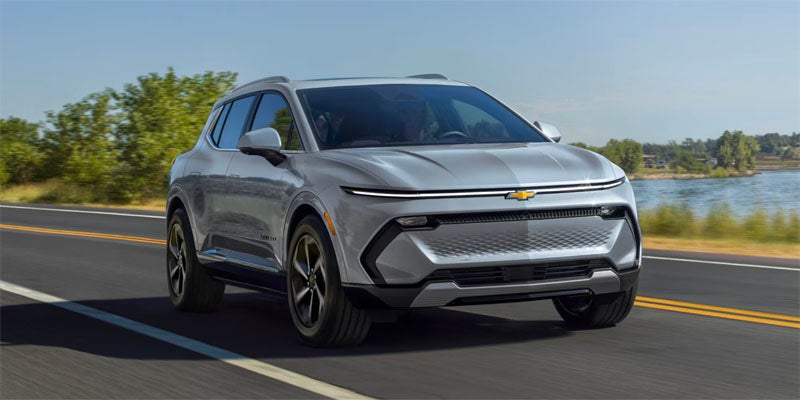
AWD vs FWD Range Tradeoffs and Why They Happen
Equinox EV range varies by configuration, and drivetrain choice is one of the biggest factors. A front wheel drive setup focuses on efficiency by using a single drive unit for propulsion. An all wheel drive setup adds a second motor to drive the additional axle, which increases traction capability and acceleration response, but it also increases total energy demand under load.
- Front wheel drive: Designed to prioritize maximum range and lower energy consumption during steady cruising.
- All wheel drive: Adds traction and control support in wet conditions, with higher energy use when both motors are actively contributing.
- Driving environment matters: Stop and go traffic, higher speeds, and elevation changes increase energy demand regardless of drivetrain.
Commuter Suitability for Portland and Beaverton
Equinox EV fits typical commuter patterns because its battery capacity is designed to cover daily mileage with margin, even when charging is not a nightly routine. The vehicle also uses regenerative braking to recapture energy during deceleration, which is especially valuable in city driving where frequent slowing and braking are part of the commute. If your routine includes highway stretches, energy use is more closely tied to speed, wind resistance, and accessory loads like cabin heat.
Winter Driving Range in the Pacific Northwest Climate
Cold weather affects battery efficiency and can increase energy consumption because the vehicle must manage battery temperature and heat the cabin. The Equinox EV uses thermal management to keep the battery operating within an efficient temperature band. Battery preconditioning can help improve charging performance and efficiency in colder conditions by bringing the pack closer to an optimal temperature before charging and before higher demand driving.
- Cabin heating load: Heating demand increases energy use during shorter trips.
- Battery temperature: Colder packs are less efficient until warmed through operation or conditioning.
- Trip planning: Consistent charging access matters more in winter when energy use increases.
Apartment vs Home Charging Considerations
Your charging plan should match your living situation. Homeowners often choose Level 2 charging because a 240 volt setup can restore most daily driving overnight. Apartment and multi unit housing drivers often rely on a mix of public charging, workplace charging, or shared Level 2 charging. In those cases, consistency matters more than maximum charging speed. Planning around routine top ups keeps your battery within a comfortable daily use window and reduces the pressure to fast charge frequently.
- Level 1 charging: Best for low mileage routines when a standard outlet is consistently available.
- Level 2 charging: Ideal for overnight replenishment when you have dedicated access at home or a consistent shared charger.
- DC fast charging: Useful for travel days and schedule based top ups when you need faster replenishment.
Total Cost of Ownership Compared to a Gas Compact SUV
Equinox EV ownership changes where your operating costs come from. Instead of paying for gasoline and engine related service intervals, EV ownership shifts routine cost planning toward electricity and tire wear, plus occasional brake service that can be reduced by regenerative braking use. For many drivers, home charging can reduce cost per mile compared to fueling a gas compact SUV. Incentives may also influence your overall cost picture depending on eligibility and program availability.
(Note: This article focuses on providing valuable information and does not mention specific pricing. For more information about financing and car buying, please reach out to our dealership.)